How to Identify and Measure Distinctive Brand Assets That Actually Drive Recognition

by Sam Reid in
10 min read
Your brand's logo isn't enough. Neither is your color scheme, your tagline, or your celebrity spokesperson, at least not on their own.
The brands that achieve instant recognition in crowded categories don't rely on a single identifier. They've built a portfolio of distinctive brand assets (DBAs) that work together to trigger brand recall before a consumer even reads the name on the package. This matters because in most purchase situations, you have 1-3 seconds to signal who you are before a shopper moves on.
This article breaks down what makes brand assets truly distinctive, how to measure them using the most rigorous methodology available, and why testing your assets within category context is non-negotiable. We'll also examine specific examples of brands that have built genuinely distinctive asset portfolios.
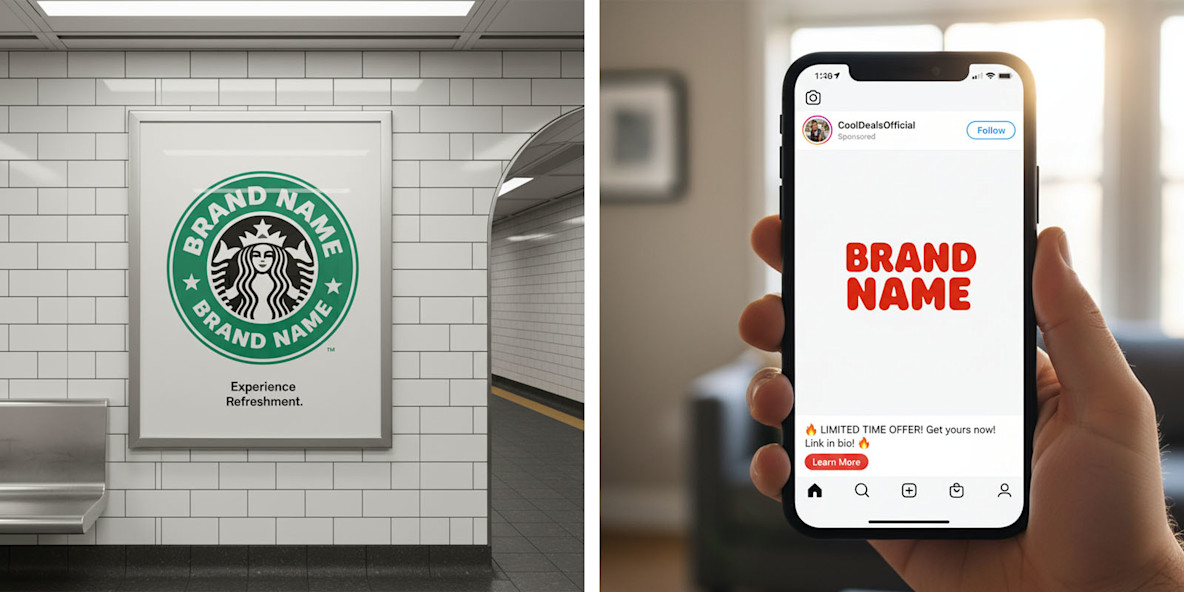
Distinctive Brand Assets in action
What Is a Distinctive Brand Asset?
A distinctive brand asset is any sensory stimulus, visual, auditory, or otherwise, that triggers immediate brand recognition without requiring the brand name to be present.
An asset isn't distinctive just because it's associated with your brand in your marketing materials. It's only distinctive if consumers automatically link it to your brand when they encounter it in isolation or in competitive contexts.
This includes:
Visual elements: Colors, shapes, patterns, characters, symbols, packaging structures
Auditory elements: Sonic logos, jingles, characteristic music, sound effects
Verbal elements: Taglines, slogans, brand-specific vocabulary
Structural elements: Unique product shapes, packaging formats, typography
The critical distinction: Your brand name and logo are identifiers, not distinctive assets. They're what you're trying to connect everything else to. A Coca-Cola bottle shape is a distinctive asset. The Coca-Cola wordmark is an identifier. The asset works even when the identifier is removed.
Why Distinctive Brand Assets Matter for Brands
Mental availability drives market share growth. That's the fundamental finding from decades of behavioral research, most comprehensively documented by the Ehrenberg-Bass Institute.
Brands grow by making themselves easy to notice and easy to remember across as many buying situations as possible. Distinctive assets are the mechanism that builds this mental availability.
Here's why they're commercially critical:
Speed of recognition in retail environments: The average consumer spends 8-13 seconds making an in-category purchasing decision. Your distinctive assets need to work faster than conscious reading. Shape, color, and pattern recognition happen pre-attentively, before deliberate cognitive processing.
Defense against category expansion: As categories expand (more variants, more competitors, more shelf space), verbal identifiers become harder to spot. Visual and structural assets maintain recognition when text becomes noise.
Cross-market consistency without translation: Global brands need recognition systems that work regardless of language. Visual and auditory assets travel better than verbal ones. The McDonald's golden arches mean McDonald's whether you're in Manchester or Mumbai, regardless of menu localization.
Compound effect over time: Distinctive assets appreciate in value. Every exposure reinforces the brand link. But this only works if you're consistent. Brands that constantly refresh their visual identity reset their mental availability to zero with each redesign.
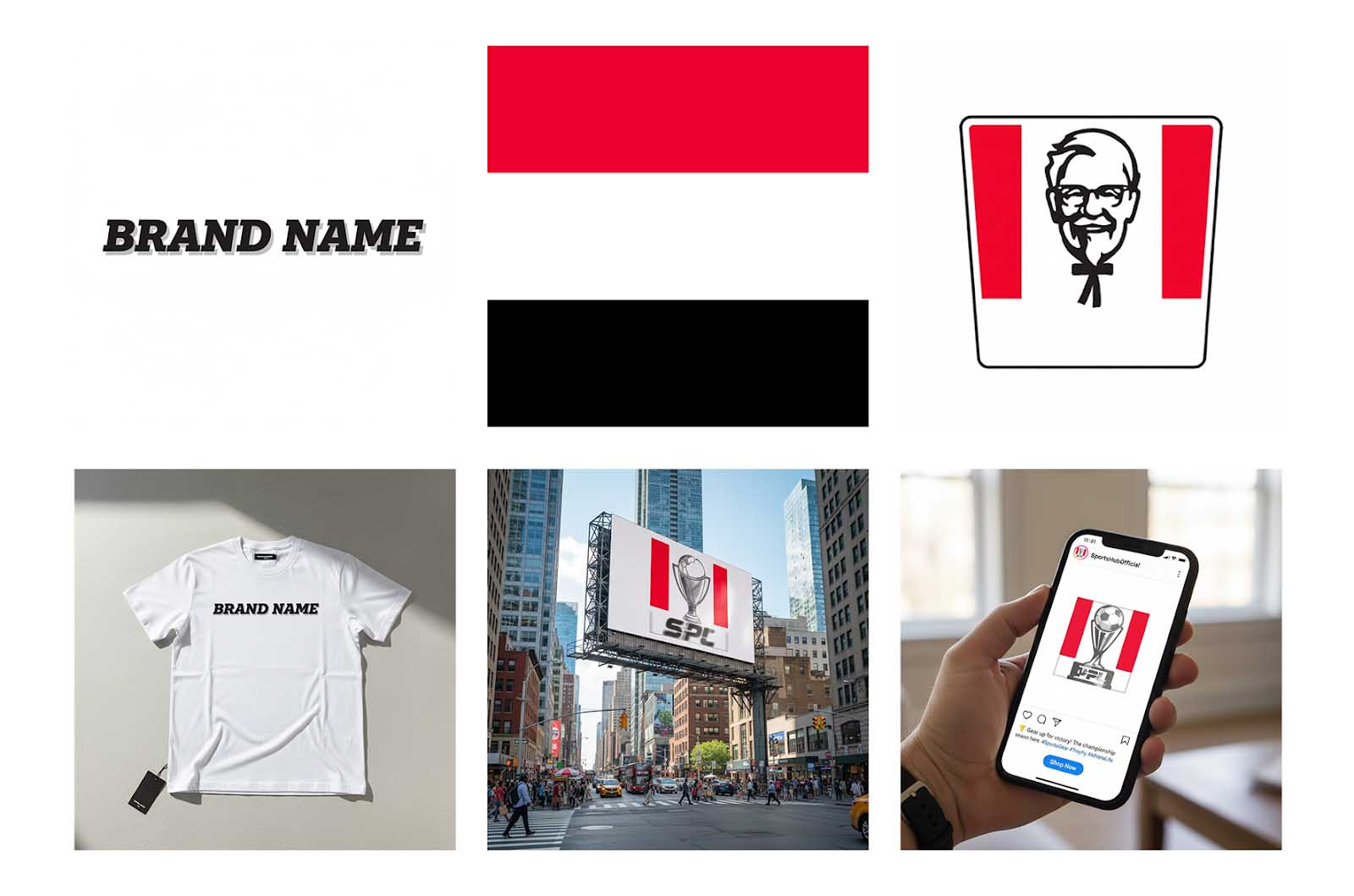
KFC brand assets
Measuring Distinctive Brand Assets: The Ehrenberg-Bass Approach
Most brand tracking studies ask the wrong question. They show respondents a logo and ask "Do you recognize this brand?" Of course respondents do, you just showed them the logo. That measures identification, not distinctiveness.
The Ehrenberg-Bass Institute developed a methodology that actually tests whether an asset works independently to trigger brand recognition.
How the Methodology Works
The Ehrenberg-Bass approach tests asset distinctiveness through reverse recognition:
Step 1: Isolate the asset Remove all brand identifiers (names, logos, wordmarks). Show respondents the asset in isolation, just the color, just the shape, just the pattern, just the audio clip.
Step 2: Ask for brand attribution "Which brand do you associate with this [color/shape/sound]?" Don't provide a list of options first. Let respondents generate the answer.
Step 3: Measure category-level performance Test the asset against competitive alternatives within the same category. A distinctive asset should outperform category norms by a measurable margin.
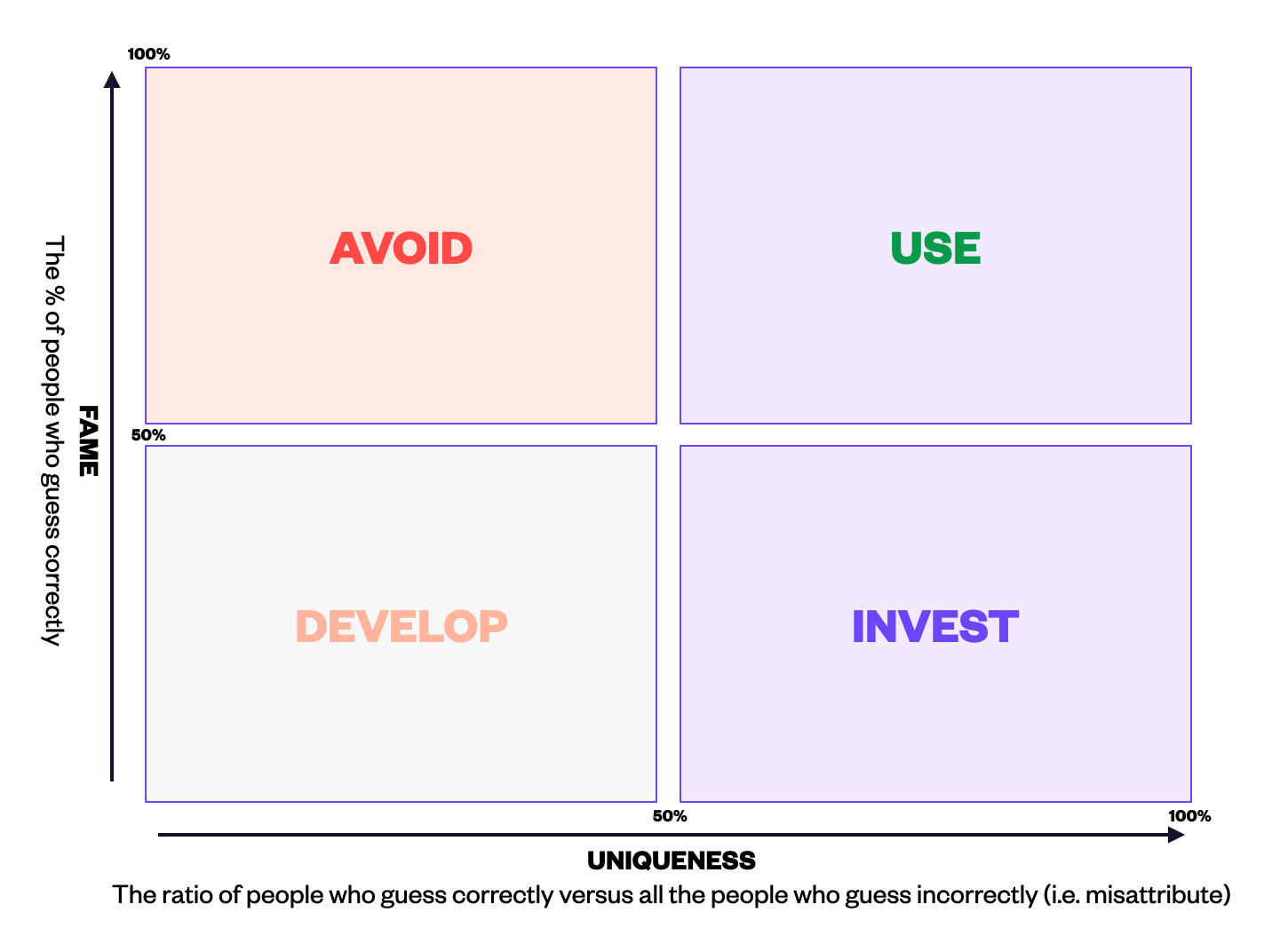
Step 4: Calculate Fame and Uniqueness scores
Fame: What percentage of respondents linked the asset to your brand?
Uniqueness: What percentage linked it exclusively to your brand vs also mentioning competitors?
An asset needs both Fame (widespread recognition) and Uniqueness (minimal competitor association) to be truly distinctive.
The Ehrenberg-Bass Institute typically considers an asset "distinctive" when it achieves >70% Fame and >60% Uniqueness within its category context, though these benchmarks vary by market maturity and category competitiveness.
Ehrenberg Bass
Why This Approach Works
It mirrors real buying behavior: Consumers don't see your brand in controlled isolation. They see competing assets simultaneously on shelf. Testing must replicate this competitive context.
It identifies weak assets before you invest further: Many brands discover their "signature" color actually tests at 20-30% Fame, meaning 70% of consumers don't link it to the brand at all. Better to know this before you commit to another decade of consistency.
It's category-calibrated: A 65% Fame score means something different in soft drinks (crowded, mature category) vs industrial B2B equipment (limited alternatives). The methodology accounts for category-specific baselines.
It separates what marketers love from what consumers recognize: Internal brand teams often overestimate asset strength because of familiarity bias. Rigorous external testing reveals the truth.
Category-Level Assessment: Why Context Matters
Testing distinctive assets outside category context produces misleading results.

easily identifiable brand colour assets
Consider Tiffany Blue. In the luxury jewelry category, it likely achieves exceptional Fame and Uniqueness scores, perhaps 85%+ Fame with 90%+ Uniqueness. But test that same shade in the household cleaning category, and it becomes generic. Context determines distinctiveness.
This matters for three reasons:
Cross-category assets can dilute distinctiveness: When multiple brands in different categories use the same color (think various brands using purple), it reduces the color's effectiveness as a distinctive asset within any single category. Your asset might score well in absolute terms but poorly against category competition.
Category conventions create baseline noise: In some categories, certain colors or shapes are functionally required (green for organic products, certain bottle shapes for carbonated beverages). Your asset needs to be distinctive within these constraints, not just distinctive in abstract.
Competitive density varies dramatically by category: Testing an asset in a 5-brand category vs a 50-brand category produces incomparable results. The appropriate Fame benchmark shifts based on how many competitors are fighting for mental availability.
Practical implication: You can't validate a packaging redesign by testing colors and shapes in isolation. You must test them on-shelf, in category context, alongside actual competitive alternatives.
World-Class Examples of Distinctive Brand Assets
Some brands have built asset portfolios so strong that you recognize them instantly without seeing a single word of text.
McDonald's: Golden Arches
Fame: Near-universal recognition globally
Uniqueness: Essentially zero competitor association
Why it works: Extreme shape simplicity, consistent use across all touchpoints for 65+ years, architectural integration (the shape appears on buildings, not just packaging)

The golden M
Coca-Cola: Contour Bottle Shape
Fame: Recognized even in silhouette or fragment
Uniqueness: Strong, though some regional colas have attempted imitation
Why it works: Registered as a trademark (one of few packages to achieve this), tactile distinctiveness (recognizable by touch), maintained across format variants
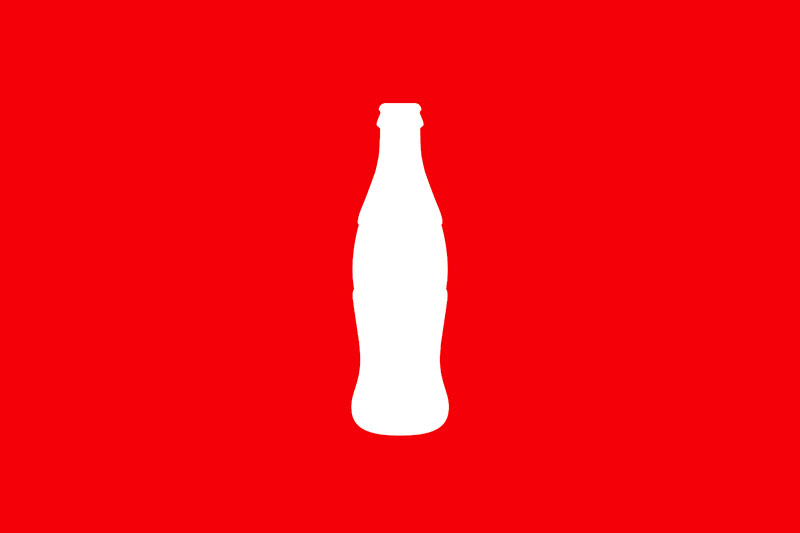
The world's most recognisable bottle
Cadbury: Purple (Pantone 2685C)
Fame: High in UK market specifically
Uniqueness: Legally protected for chocolate in specific markets
Why it works: Unusual color choice for food category (most chocolate brands use brown, red, gold), decades of consistent usage, extended to all brand communications
Intel: "Intel Inside" Sonic Logo
Fame: Widely recognized even without visual component
Uniqueness: Essentially exclusive to Intel in tech category
Why it works: Simple five-note sequence, implemented in thousands of partner advertisements (co-op marketing amplification), consistent since 1994
Toblerone: Triangular Package + Mountain Shape
Fame: Strong in chocolate category
Uniqueness: High, few competitors use triangular formats
Why it works: Functional differentiation (package shape reflects product shape), ties to brand origin story (Swiss Alps), maintained for 100+ years
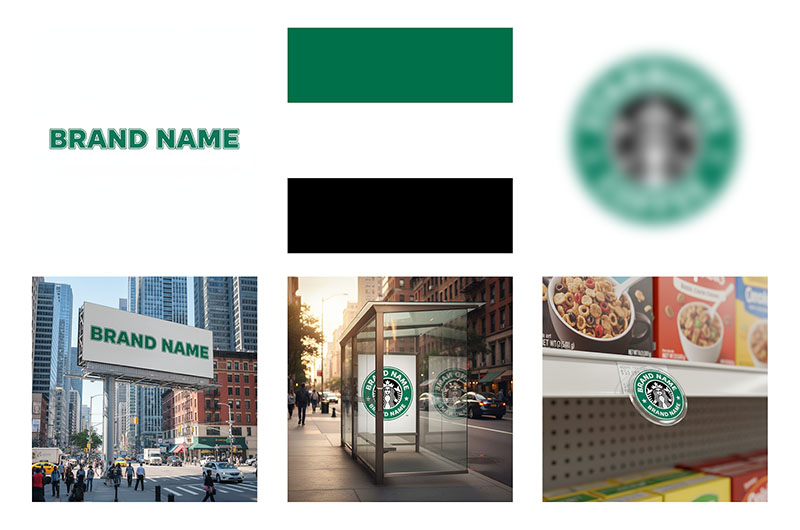
Starbucks
What These Examples Share
Consistency over decades: None of these assets achieved distinctiveness quickly. They required sustained investment.
Simplicity: Each asset is simple enough to recognize in peripheral vision or memory
Category unusualness: Each violated category conventions when introduced (purple for chocolate, triangular packaging for confectionery)
Multi-sensory where possible: The strongest portfolios combine visual and auditory assets
Legal protection attempts: Most of these brands have attempted to trademark their distinctive assets, recognizing their commercial value
Testing Your Distinctive Brand Assets: What's Next
Understanding the Ehrenberg-Bass methodology is one thing. Actually implementing it to test your own brand's assets is another.
Most brands face the same obstacles:
Speed: Traditional research firms quote 8-12 week timelines for asset testing studies
Cost: Category-level testing with robust sample sizes typically costs $50k-$100K+ per study
Iteration friction: By the time you get results, redesign based on them, and want to test again, you're 6+ months into the project
This is the gap Loops addresses. The platform enables point-and-click asset testing with human respondents across 85+ markets, delivering results in days rather than months. You can test multiple asset variations simultaneously, compare them directly against competitive category examples, and iterate based on actual consumer attribution data.
Part 2 of this series will walk through how to set up a distinctive brand asset test in Loops, including:
How to structure asset isolation correctly (removing identifiers without losing context)
Setting up category-competitive benchmarking within the platform
Interpreting Fame vs Uniqueness scores for your specific category
Using pixel-level feedback to understand which elements of an asset drive recognition
Iterating asset designs based on test results
The Bottom Line on Distinctive Brand Assets
Building distinctive brand assets is a long-term commitment, not a campaign tactic. But you can't commit to the wrong assets for a decade and hope they'll eventually become distinctive.
Test early. Test in category context. Use methodology that actually measures what you think you're measuring. And recognize that your internal intuition about which assets "feel like the brand" bears little relationship to what's actually distinctive in consumers' minds.
The brands that achieve instant on-shelf recognition got there through rigorous testing combined with patient consistency. There's no shortcut, but you can avoid wasting years on assets that will never achieve distinctiveness by testing them properly before you commit.
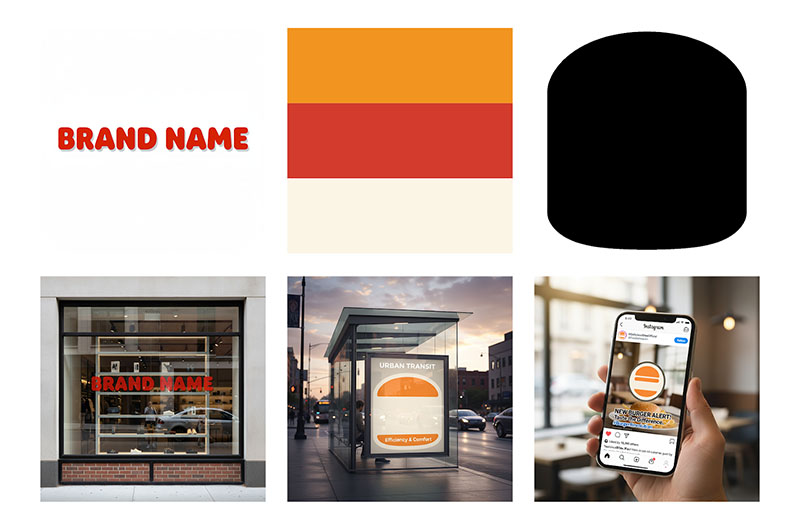
Burger King
Want to test your brand's distinctive assets with category-competitive benchmarking? Book a demo with Loops to see how the platform enables rapid DBA testing with human respondents across global markets, with results in days, not months.
In Part 2: Step-by-step guide to setting up your first distinctive brand asset test in Loops, including template setups for color, shape, packaging structure, and sonic asset testing.